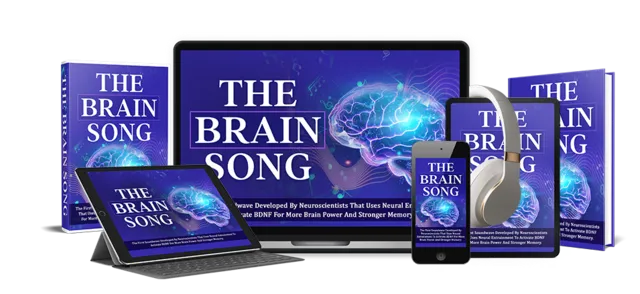
The Brain Song

The Brain Song

The the Brain Song Program is a digital audio program designed around the idea of using structured sound patterns to influence brainwave activity and create a more focused, relaxed mental state. Instead of requiring exercises, supplements, or complicated routines, the program is intended to be used simply by listening to the audio for a short period each day.

How The Brain Song Program Works

The program uses sound-based techniques such as binaural beats, isochronic tones, and layered audio frequencies. These approaches are associated with the broader concept of brainwave entrainment, where rhythmic auditory stimulation may influence patterns of brain activity.

The Brain Song materials specifically connect the program with BDNF (brain-derived neurotrophic factor), a protein involved in neuronal health, learning, and memory. The program also emphasizes gamma-frequency activity as part of its underlying concept. However, it is important to distinguish the product's claims from established clinical evidence: listening to an audio program should not be presented as a proven way to increase BDNF or treat cognitive or medical conditions.

The Brain Song Customer Reviews

The Brain Song Customer Reviews

 Sarah D.

“I had been dealing with mental fog and poor concentration for several years. Even simple tasks sometimes took much longer than they should because my thoughts seemed scattered. It was frustrating, especially when I was trying to work or remember small details.

I started listening to The Brain Song every day and made it part of my quiet time. I didn't expect an overnight change, but after consistently using it, I started feeling calmer and more mentally organized. I found it easier to settle down and concentrate instead of constantly jumping from one thought to another.

The biggest difference for me was having a simple routine that helped me slow down and focus. I'm very glad I gave The Brain Song a chance. Thank you for creating something so easy to use.”

The Brain Song Customer Reviews

Michael P.

“For years, I felt like my mind wasn't working as quickly as it used to. I would walk into a room and forget why I was there, lose track of conversations, and struggle to stay focused when reading. I had tried different things, but nothing became a consistent part of my routine.

I decided to give The Brain Song a try because it was simple—I only had to sit down and listen. After using it regularly, I began noticing that I felt more relaxed and focused during the day. Over the following weeks, I felt more confident about my ability to concentrate and stay on task.

I know everyone's experience is different, but for me, making The Brain Song part of my routine was worthwhile. Thank you, The Brain Song, for giving me something simple I could actually stick with.”

The Brain Song Customer Reviews

Lisa M.

“For years, I worried that my memory and concentration were getting worse. I would forget names, misplace things around the house, and sometimes struggle to remember what I had just read. I tried brain games and several other approaches, but I wanted something that didn't feel like another chore.

That's what attracted me to The Brain Song. I could simply put on my headphones, listen, and make it part of my daily routine. After several weeks of consistent use, I felt that my mind was clearer and that I was able to concentrate more easily.

I'm not saying it changed everything overnight, but I genuinely enjoyed the experience and felt that it became a useful part of my day. Thank you, The Brain Song, for giving me another way to take better care of my mind.”

What is The Brain Song?

The Brain Song

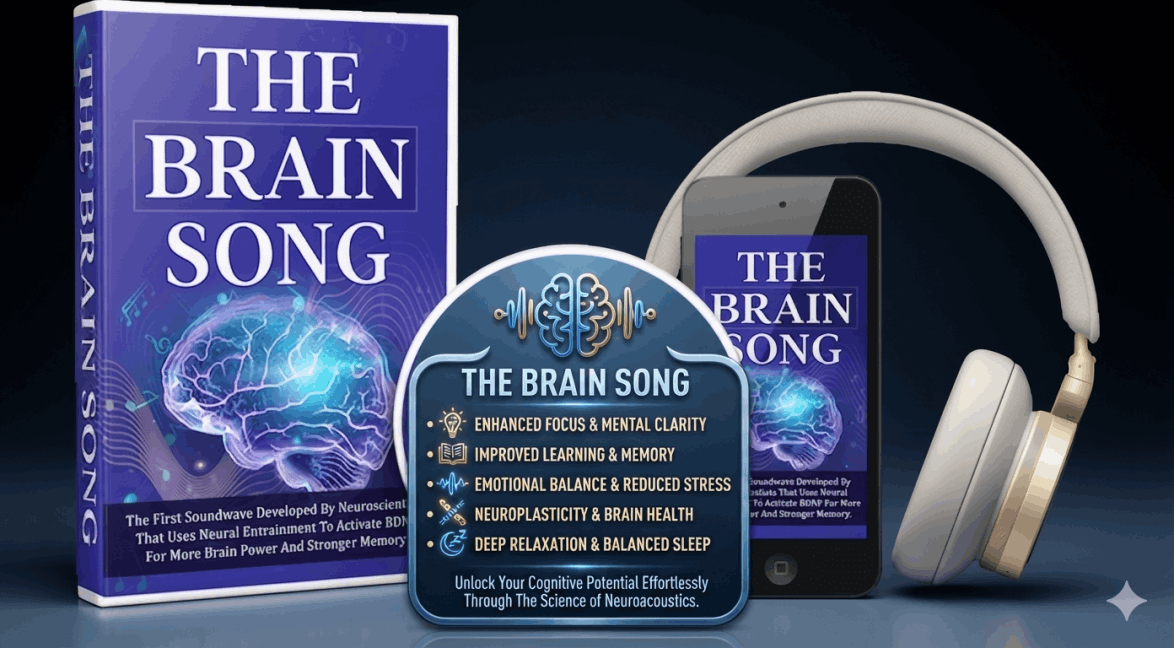
The Brain Song is a digital audio program created around the use of carefully structured sound patterns to support a sharper, calmer, and more focused mental state. Instead of asking you to complete complicated exercises or follow a demanding training routine, the program is designed to fit into everyday life through simple listening sessions.

The idea behind The Brain Song comes from research into brainwave activity and auditory stimulation. Our brains naturally produce different patterns of electrical activity depending on what we are doing—whether we are concentrating on a task, relaxing, learning something new, or preparing for sleep. The Brain Song uses specially arranged frequencies and sound patterns intended to encourage the brain toward particular states of activity.

A central part of the program's concept is BDNF (Brain-Derived Neurotrophic Factor), a protein involved in the health and development of neurons and processes related to learning and memory. The product materials associate certain brainwave patterns, particularly gamma activity, with BDNF-related brain function. The Brain Song was developed around this concept, combining neuroscience-inspired audio techniques into a format that is straightforward to use.

Unlike ordinary music, The Brain Song is not simply designed for entertainment. Its audio structure is intended to provide a more purposeful listening experience, using elements such as rhythmic tones, frequency patterns, and layered sounds. The goal is to create an environment that may help listeners settle their attention and engage with the audio without requiring active mental exercises.

One reason the program is easy to incorporate into a routine is that it requires very little preparation. You simply listen to the digital audio in a comfortable setting and allow the session to run. Some people may choose to use it during quiet time in the morning, while reading or working, or as part of an evening wind-down routine.

The Brain Song is ultimately best understood as a sound-based wellness program inspired by research into brainwaves, neuroacoustics, and cognitive function. It is not a medication or medical treatment, and individual experiences can vary. Its appeal lies in offering a simple listening-based approach for people who want to make focused, intentional time for their mental well-being.

How Does The Brain Song Work?

The Brain Song works by using structured sound patterns designed to influence brainwave activity through auditory stimulation. The program is based on the concept of brainwave entrainment, in which rhythmic sounds may encourage the brain to respond to particular patterns of auditory stimulation.

The audio combines techniques such as binaural beats, isochronic tones, and layered sound frequencies. Rather than being ordinary background music, these sounds are deliberately arranged to create a consistent listening experience. Depending on the audio pattern, the program is intended to encourage states associated with concentration, relaxation, or mental calm.

One of the main ideas behind The Brain Song is that different mental states are associated with different patterns of brain activity. Alpha activity is commonly associated with relaxed wakefulness, while theta activity is often observed during drowsiness and certain forms of relaxed attention. Gamma activity is another type of brain rhythm that has been studied in relation to information processing and cognition.

The program also focuses on BDNF (brain-derived neurotrophic factor), a protein involved in neuronal health, learning, and memory. The Brain Song's materials propose that certain brainwave patterns may be connected with BDNF-related activity. However, this should be understood as the scientific concept behind the program rather than a guarantee that listening to the audio will increase BDNF or produce a specific cognitive result.

In practical terms, using The Brain Song is straightforward: you listen to the digital audio in a comfortable environment and allow the sound patterns to play without needing to perform a separate mental exercise. Headphones are generally recommended for audio containing binaural elements because each ear needs to receive its intended signal.

The important point is that The Brain Song is designed as an audio-based wellness experience, not a medical treatment. Individual responses to brainwave-based audio can vary, and the program should complement—not replace—fundamentals such as adequate sleep, physical activity, learning, and appropriate professional care when cognitive or neurological concerns persist.

Who created The Brain Song?

According to the product information currently published for The Brain Song, the program was created by Dr. James Rivers, described as a neuroscientist with extensive experience studying brainwave activity, sound-based stimulation, and cognitive performance. The product materials say that his work focused on how specific sound frequencies may influence brain activity and support areas such as memory, focus, and mental clarity.

The concept behind The Brain Song reportedly grew from research into BDNF (Brain-Derived Neurotrophic Factor) and the relationship between brainwave patterns and cognitive processes. Dr. Rivers and his team then developed the audio around techniques such as gamma-wave entrainment and other structured sound patterns, with the aim of making a neuroscience-inspired listening routine accessible without supplements or complicated exercises.

What makes the program different from a conventional brain-training product is the approach taken by its creators: instead of asking users to complete puzzles, memorize exercises, or follow a lengthy training course, The Brain Song was designed as a simple digital audio experience that can be incorporated into a person's existing routine.

There is, however, an important distinction worth keeping in mind. The claims about Dr. Rivers' credentials, research history, NASA training, and the program's effects come primarily from promotional materials associated with The Brain Song rather than independently verified academic sources. So those credentials and specific product claims are best understood as the manufacturer's description of the program's origins, not as independently established scientific facts.

Science Behind The Brain Song

The science behind The Brain Song centers on a simple idea: sound can influence how the brain responds to its environment. The program uses structured audio patterns inspired by research into brainwave activity, auditory stimulation, and brainwave entrainment.

One of the techniques associated with this approach is binaural beats. When slightly different tones are presented separately to each ear, the listener perceives a rhythmic beat corresponding to the difference between the two tones. Researchers have investigated whether this type of stimulation can influence brain oscillations and mental states. However, the evidence is not definitive, and studies have produced mixed results.

The Brain Song also incorporates the broader concept of brainwave entrainment. The theory is that rhythmic external stimulation may encourage aspects of the brain's electrical activity to follow the rhythm of the stimulus. This is why the program focuses on carefully arranged frequencies rather than simply playing ordinary relaxing music. The scientific literature supports studying this phenomenon, but it does not establish that a particular audio track can reliably produce a specific cognitive outcome in every listener.

Where BDNF Fits In

Another important part of The Brain Song's scientific concept is BDNF, or brain-derived neurotrophic factor. BDNF is a protein involved in neuronal survival, synaptic plasticity, learning, and memory. In other words, it plays an important role in the brain's ability to adapt and change in response to experience.

The product's approach connects brainwave stimulation with BDNF-related brain health, particularly through its focus on gamma-frequency activity. That connection is an underlying theory of the program, rather than proof that listening to The Brain Song directly raises BDNF levels. Current research does not justify presenting the audio as a guaranteed BDNF-boosting treatment.

The Brainwave Patterns Explained

The Brain Song's materials refer to several commonly discussed brainwave ranges:

Alpha waves: generally associated with relaxed wakefulness and reduced mental tension.
Theta waves: commonly observed during drowsiness, relaxation, and certain memory-related processes.
Delta waves: associated primarily with deep, slow-wave sleep.
Gamma waves: faster oscillations that have been studied in connection with information processing and cognitive functions.

These brainwave categories describe patterns of neural activity; they should not be interpreted as simple “on/off switches” for particular abilities. Real brain activity is considerably more complicated, with multiple networks and frequencies operating together.

That distinction is important when looking at The Brain Song scientifically. The established science supports the existence and biological importance of brain rhythms and BDNF, while the specific claim that a particular audio program can reliably enhance memory, focus, or BDNF remains less certain. The most accurate way to describe The Brain Song is as a neuroscience-inspired audio wellness program rather than a clinically proven treatment for cognitive problems.

How Soundwaves Activate Your Inner Brain

Sound does more than simply enter the ears and disappear. When soundwaves reach your ears, they are converted into electrical signals that travel through the auditory system and are processed by the brain. This is the basic mechanism The Brain Song builds upon: using carefully structured sounds to create a particular auditory environment that may influence attention, relaxation, and perceived mental state.

The Brain Song uses patterned audio rather than ordinary music. Techniques such as binaural beats and rhythmic tones provide the brain with repetitive auditory information. With binaural beats, slightly different tones are presented to the two ears, and the listener perceives a rhythmic beat created by the difference between those tones. Researchers have studied whether these auditory patterns can influence aspects of brain activity and mental performance, although findings are not uniformly conclusive.

This is where the concept of brainwave entrainment comes in. The basic idea is that rhythmic sensory stimulation can interact with the brain's ongoing electrical activity. The Brain Song applies this concept through carefully arranged frequencies intended to encourage a particular listening state. Rather than literally “switching on” a hidden part of the brain, the more accurate description is that the audio provides patterned stimulation that the nervous system processes.

Different brainwave ranges are also associated with different states of brain activity. Alpha rhythms commonly appear during relaxed wakefulness, theta activity is associated with drowsiness and certain forms of memory processing, delta activity is prominent during deep sleep, and gamma activity has been studied in relation to information processing and cognition. These rhythms naturally fluctuate throughout the day and work together rather than functioning independently.

The Brain Song's connection to BDNF (brain-derived neurotrophic factor) comes from the broader relationship between neural activity, learning, and brain plasticity. BDNF helps support neuronal health and synaptic plasticity, which are important for learning and memory. However, it is more accurate to say that BDNF is part of the scientific rationale behind the program—not that listening to the audio has been definitively proven to increase BDNF in humans.

In practical terms, “activating your inner brain” is therefore better understood as using sound to create a structured sensory experience that may influence how you feel and focus while listening. The response can vary from person to person, and The Brain Song should be viewed as a sound-based wellness tool rather than a treatment for neurological or cognitive disorders.

Benefits of The Brain Song


  1. Supports Focus and Mental Clarity- One of the main reasons people are drawn to The Brain Song is the desire to feel more mentally organized when working, studying, reading, or handling everyday responsibilities. Its structured sound patterns are intended to create a focused listening environment that may help reduce the sense of mental distraction. Rather than requiring you to complete puzzles or complicated concentration exercises, the program gives you a simple period of uninterrupted listening. For someone whose attention is constantly being pulled in different directions, creating that quiet mental space can itself become a useful part of a daily routine.
  2. Helps Promote Relaxation- Mental performance isn't only about staying alert. Knowing how to slow down is equally important. The Brain Song incorporates sound patterns intended to encourage a calmer listening state, making it suitable for quiet breaks, meditation, or winding down after a demanding day.Taking a short period away from notifications, conversations, and other distractions while listening can give your mind an opportunity to settle. The relaxing experience may be particularly appealing to people who find traditional meditation difficult to maintain.
  3. Supports Memory and Learning- Memory depends on several processes, including attention, encoding, consolidation, and recall. If you're distracted while learning something, there is less information for the brain to process and remember in the first place.The Brain Song's focus on brainwave activity and cognitive states is intended to create a listening environment that supports concentration during learning. It shouldn't be viewed as a replacement for studying or memory practice, but some people may find it useful as part of a broader learning routine.
  4. Encourages a More Productive Mental Routine- Sometimes the biggest obstacle to productivity isn't a lack of ability—it's getting mentally settled enough to begin. A consistent listening routine can serve as a cue that it's time to concentrate, work, read, or simply take a break.The Brain Song requires little preparation, which makes it relatively easy to attach to an existing habit. Used consistently, the audio can become a small ritual that helps create a clearer boundary between periods of distraction and periods of intentional attention.
  5. Supports Mental Energy During the Day- Long periods of screen time, repetitive work, multitasking, and constant interruptions can leave you feeling mentally drained. The Brain Song is intended to provide a short opportunity to step away from that overload and reset your attention.A listening session doesn't magically restore depleted energy, of course. But combining the audio with a genuine break—putting down the phone, closing unnecessary tabs, and sitting somewhere quiet—can make the routine more restorative than simply playing background noise while continuing to work.
  6. Complements Meditation and Mindfulness- For people who struggle to sit in silence, structured sound can provide something steady to focus on. The Brain Song can therefore be incorporated into a meditation or mindfulness routine as an auditory anchor.Instead of repeatedly wondering whether you're concentrating correctly, you can simply pay attention to the changing sounds and your breathing. This can make a short mindfulness session feel more approachable, particularly for beginners who find completely silent meditation difficult.
  7. May Help Create a Better Pre-Sleep Environment- The Brain Song can also be incorporated into an evening wind-down routine. Listening in a quiet environment before bed may help create a transition between an active day and a more relaxed period.The important distinction is that the audio should be considered a relaxation aid, not a treatment for insomnia or another sleep disorder. Good sleep still depends heavily on factors such as a consistent schedule, a comfortable sleep environment, and limiting stimulating activities close to bedtime.
  8. Provides a Simple Way to Support Overall Mental Well-Being- Perhaps the most practical benefit of The Brain Song is its simplicity. There are no complicated exercises to learn, and the program is delivered digitally, allowing it to be incorporated into a routine at home or wherever you have a suitable listening environment.For someone interested in sound-based wellness, the program can become a small daily period dedicated to focus, relaxation, or mindful listening. Its value is less about expecting an instant transformation and more about consistently creating time for a calmer and more intentional mental routine.

The Brain Song Bonuses

The Brain Song comes with additional digital resources designed to complement the main audio program. Instead of simply adding more listening material, these bonuses focus on practical memory habits and everyday nutrition, giving users a few extra tools they can use alongside their regular routine.

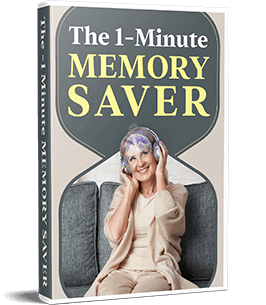
Free Bonus #1: 1-Minute Memory Saver

The 1-Minute Memory Saver is presented as a quick memory technique for remembering new information. The idea is to use a simple method immediately after learning something you want to remember, whether you're at home, working, studying, or simply going about your day.

The appeal of this bonus is its simplicity. It doesn't require a lengthy practice session or special equipment, making it something you can potentially incorporate into everyday situations whenever you encounter information worth remembering.

The Brain Song Free Bonus #1: 1-Minute Memory Saver

Free Bonus #2: 15 Delicious Memory Smoothies

The 15 Delicious Memory Smoothies report provides recipes built around everyday foods and ingredients. The bonus is intended to make it easier to include nutrient-rich foods in your routine without turning healthy eating into a complicated project.

Rather than presenting nutrition as a rigid diet plan, the report gives you different smoothie ideas that can be prepared at home. This makes it a practical companion resource for people who want to pay more attention to the foods they regularly consume.

Free The Brain Song Bonus #2: 15 Delicious Memory Smoothies

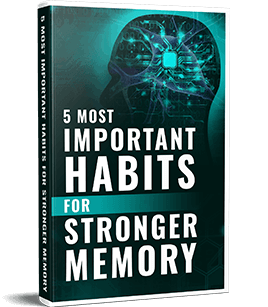
Free Bonus #3: 5 Most Important Habits For Stronger Memory Infographic

The third bonus is the 5 Most Important Habits For Stronger Memory infographic. It is designed as a quick visual reminder of everyday habits associated with maintaining cognitive wellness as you age.

Because it is an infographic, you can keep it somewhere visible—such as near your desk, refrigerator, or workspace—as a simple reminder rather than having to repeatedly read through a longer guide.

Together, these three bonuses give The Brain Song package a broader focus: the main program provides the audio experience, while the bonuses add practical memory techniques, food ideas, and everyday habit reminders

The Brain Song Free Bonus #3: 5 Most Important Habits For Stronger Memory Infographic

Pros and Cons Of The Brain Song

Pros

Simple Daily Routine: The Brain Song is easy to incorporate into a normal day because it is based on listening rather than complicated exercises. You can set aside a short period, put on your headphones, and let the audio play without having to learn a new technique.

Convenient Digital Format: 
Because The Brain Song is delivered digitally, there is no physical product to store or wait for in the mail. Once you receive access, you can use the audio whenever it fits your schedule and listening environment.

No Supplements or Stimulants: 
The program takes an audio-based approach rather than relying on caffeine, stimulants, or dietary supplements. For people who prefer non-supplement approaches to mental wellness, this can be an appealing feature.

Easy to Combine With Existing Habits:
You don't necessarily need to reorganize your entire day around it. The audio can be incorporated into quiet time, meditation, a study routine, or a work break, making it relatively easy to experiment with as part of an existing schedule.

Uses Research-Inspired Audio Techniques: 
The Brain Song draws on concepts including brainwave entrainment, binaural beats, and structured auditory stimulation. These areas have been investigated by researchers, although the evidence for specific cognitive benefits remains mixed.

Encourages Intentional Quiet Time:
 A useful aspect that is easy to overlook is the opportunity to step away from constant distractions. Sitting down for a dedicated listening session can create a short period without multitasking, notifications, or competing demands on your attention.

Cons

Results Can Vary From Person to Person: There is no guarantee that everyone will experience the same response. Some listeners may enjoy the audio and find it useful for relaxation or concentration, while others may notice little difference.

Scientific Evidence for Specific Claims Is Limited: Brainwave entrainment and binaural beats are legitimate areas of scientific research, but that does not automatically prove every claim made about a particular audio program. Claims that listening to The Brain Song will directly increase BDNF, dramatically improve memory, or produce specific health outcomes should therefore be treated cautiously.


Money Back Guarantee

The Brain Song

The Brain Song is offered with a money-back guarantee, giving customers an opportunity to try the program without committing to it permanently if they decide it isn't right for them.

According to the product information provided, The Brain Song comes with a 60-day money-back guarantee. If you're not satisfied with your experience, you can contact customer support within the applicable guarantee period and request a refund.

The guarantee is particularly useful for a digital audio program because individual responses to sound-based techniques can differ. Some people may enjoy the listening experience and find it useful as part of their routine, while others may decide that the program doesn't provide the experience they expected.

The Brain Song Money Back Guarantee

How to use The Brain Song?

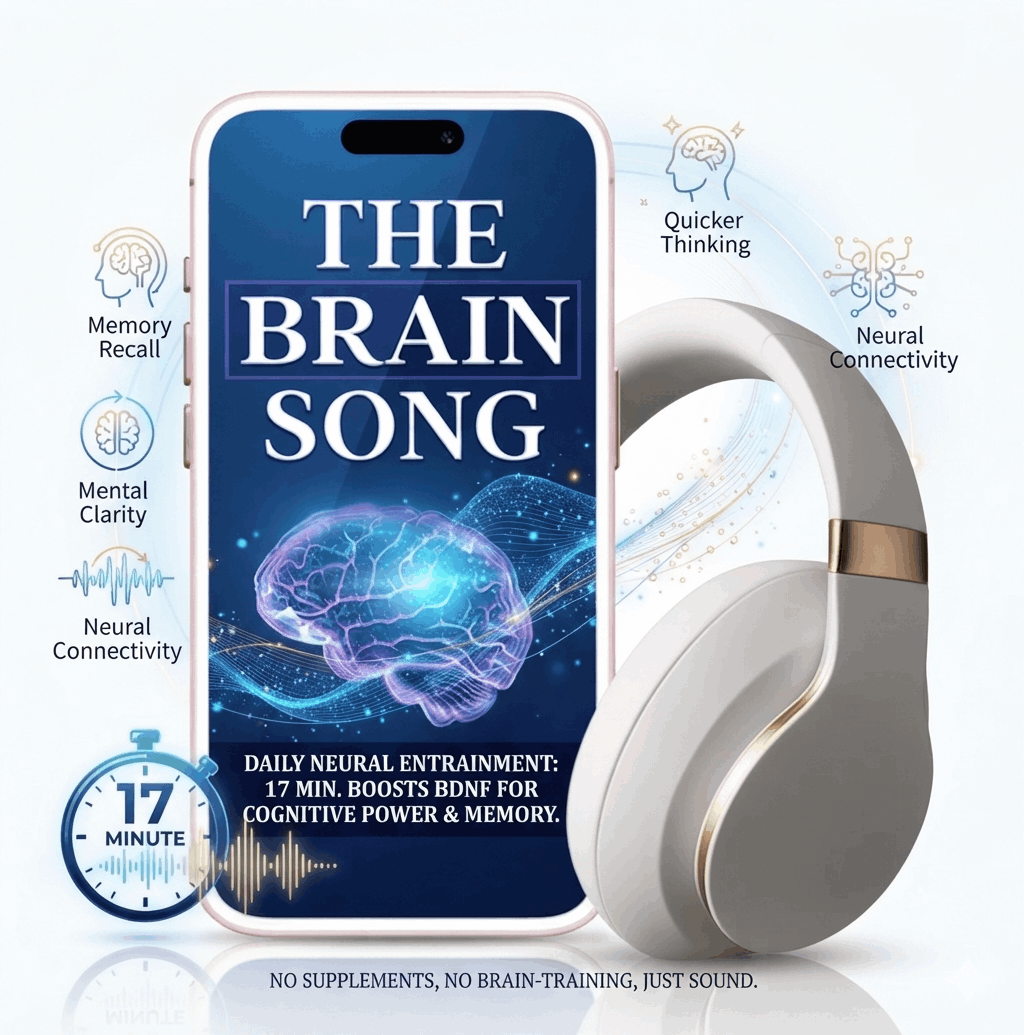
Using The Brain Song is designed to be straightforward. Since it is a digital audio program, there is no complicated equipment, exercise routine, or special training required. The basic idea is to set aside a quiet period, listen to the audio, and make it part of a consistent routine.

1. Choose a Comfortable Time:

Pick a time when you can listen without constantly checking your phone, answering messages, or dealing with interruptions. Morning, a work break, or an evening wind-down can all work. The best time is the one you can realistically maintain.

2. Use Headphones When Possible:

Headphones are recommended, particularly if the audio uses binaural elements that deliver slightly different tones to each ear. They can also reduce outside distractions and make it easier to concentrate on the listening experience.

Speakers can be used when headphones aren't practical, although the experience may differ depending on the audio and your environment.

3. Find a Quiet, Comfortable Place:

Sit somewhere comfortable and allow yourself to listen without multitasking. You don't need to force yourself to concentrate intensely on every sound. Simply remain relaxed and let the audio play.

4. Listen Consistently:

The Brain Song is intended to be used regularly rather than as a one-time experience. The product materials recommend making listening part of your daily routine. Consistency also makes it easier to judge whether the audio is personally useful to you.

5. Use It During Appropriate Activities:

You can incorporate the audio into quiet activities such as:

Meditation or mindfulness
Reading
Relaxation
A quiet morning routine
Taking a mental break

If the audio makes you drowsy or requires focused attention, avoid using it while driving, operating machinery, or doing anything where reduced alertness could create a safety risk.

6. Give Yourself Time to Evaluate It:

Don't assume that a single session will produce a dramatic change. Individual responses to sound-based programs vary. Give yourself enough time to determine whether you personally find the listening experience helpful, particularly for relaxation or creating a more focused routine.

7. Stop If the Audio Feels Uncomfortable:

If you experience discomfort, dizziness, headaches, unusual sensitivity, or other unwanted effects while listening, stop the session. People with a history of epilepsy or significant sensitivity to auditory stimulation should speak with a healthcare professional before using this type of program.

The simplest approach is therefore: choose a quiet time, use suitable headphones, listen comfortably, and make the sessions consistent. The Brain Song should be treated as a complementary audio wellness practice, not as a replacement for sleep, healthy habits, or professional medical care.

Who should use The Brain Song?

The Brain Song is designed for adults who are interested in a simple, audio-based way to support focus, relaxation, and everyday mental wellness. Because it doesn't involve complicated exercises, supplements, or specialized training, it can easily fit into different lifestyles and daily routines.

Students and lifelong learners may find The Brain Song useful as part of a focused study routine. Listening during a quiet period before reading, studying, or reviewing information can help create a consistent environment for settling attention and preparing mentally for learning.

Professionals, entrepreneurs, and people with mentally demanding work may also be interested in The Brain Song. When your day involves constant decisions, multitasking, or extended periods of concentration, a short listening session can provide an intentional break from distractions and become part of a personal focus routine.

It may also appeal to people who have difficulty switching off mentally after a busy day. Using The Brain Song during quiet time, meditation, or an evening wind-down can provide a structured listening experience that encourages you to step away from screens, notifications, and everyday distractions.

Meditation and mindfulness enthusiasts can incorporate the audio into their existing practices as an alternative auditory point of focus. Rather than sitting in complete silence, listeners can concentrate on the sound patterns while practicing breathing, relaxation, or mindful awareness.

The Brain Song may also interest adults who want to be more proactive about their overall cognitive wellness. It can be considered alongside established lifestyle habits such as getting adequate sleep, staying physically active, continuing to learn, maintaining social connections, and eating a balanced diet.

People who prefer non-supplement approaches may particularly appreciate the program because it uses an audio-based format rather than pills, stimulants, or nutritional products. The experience is simple: listen in a comfortable environment and decide for yourself whether it fits into your routine.

However, The Brain Song should not be considered a treatment for memory disorders, neurological conditions, or persistent cognitive problems. Anyone experiencing significant or unexplained changes in memory or thinking should seek appropriate professional advice. People with a history of epilepsy or strong sensitivity to auditory stimulation should also consult a healthcare professional before using brainwave-oriented audio.

Overall, The Brain Song is best suited to someone looking for a simple listening-based wellness routine that can complement their existing approach to focus, relaxation, and mental well-being

Frequently Asked Questions

The time it takes to notice changes with The Brain Song can vary from one person to another. According to the program's published information, some listeners report noticing changes in focus, mental clarity, or relaxation after the first few sessions, while others may need several weeks of consistent listening before they notice a meaningful difference.

For that reason, The Brain Song recommends making the audio part of a daily routine for around 2–4 weeks rather than judging the experience after only one or two sessions. This gives you enough time to become familiar with the audio and determine whether it fits into your routine.

It is also worth keeping expectations realistic. The response to sound-based programs is individual, and there is no reliable timetable that guarantees improved memory, focus, or other cognitive changes for everyone. A better approach is to use it consistently and pay attention to your own experience over time.

In short, some people may notice a difference relatively quickly, while others may need a few weeks of regular use. Consistency is more useful than simply increasing listening time or expecting an overnight transformation.

Yes, The Brain Song can be incorporated into an existing mindfulness routine. Since it is a digital audio program, you can use it alongside practices such as meditation, controlled breathing, gentle stretching, or quiet reflection. The structured sounds can simply provide an auditory point of focus while you settle into your practice.

For example, you might listen to The Brain Song while sitting comfortably and focusing on slow, steady breathing. Rather than trying to analyze every sound, allow the audio to remain in the background while you bring your attention back to your breathing whenever your mind wanders. This can make the session feel more structured, particularly if you find complete silence distracting.

You can also use it before or after meditation. Listening beforehand may serve as a transition from a busy activity into a quieter state, while using it afterward can provide a calm period for reflection. The key is to choose the approach that feels comfortable rather than treating the audio as a requirement for effective mindfulness.

The Brain Song does not need to replace meditation or other established mindfulness techniques. Think of it as an optional audio companion that can complement your existing routine. As with any sound-based program, individual responses differ, so pay attention to how you feel during and after listening and discontinue use if the audio causes discomfort.

There is scientific research behind some of the ideas used by The Brain Song, particularly research into brainwave activity, auditory stimulation, binaural beats, and brainwave entrainment. However, it is important to separate research on these underlying concepts from research specifically conducted on The Brain Song itself.

The program is based partly on the idea that rhythmic auditory stimulation may influence patterns of brain activity. Binaural beats, for example, are created when slightly different tones are presented separately to each ear. Researchers have investigated whether these perceived beats can produce measurable changes in brain oscillations. A 2023 systematic review examined 14 relevant studies and found inconsistent results: five studies supported the entrainment hypothesis, eight reported contradictory findings, and one produced mixed results. The researchers concluded that the evidence was not yet strong enough to settle the question.

If you have a medical condition, it is best to speak with your doctor or another qualified healthcare professional before using The Brain Song, particularly if the condition involves the brain, nervous system, hearing, or sensitivity to sound. The program is a wellness-oriented audio experience and should not be used as a substitute for diagnosis or medical treatment.

Extra caution is appropriate for people with epilepsy or a history of seizures. Some forms of epilepsy can be triggered by sensory stimuli, and the Epilepsy Foundation notes that, although rare, certain sounds or music can trigger seizures in susceptible individuals.

The Brain Song is primarily intended as an audio-based wellness program for adults, and there is not enough product-specific evidence to recommend it broadly for children. Children's brains and nervous systems are still developing, so sound-based programs designed around brainwave entrainment should not automatically be assumed to have the same effects in children as they might in adults.

If a parent or caregiver is considering The Brain Song for a child, it is sensible to consult the child's pediatrician or another qualified healthcare professional first, particularly if the child has epilepsy, a history of seizures, hearing problems, neurological conditions, or unusual sensitivity to sound.

Parents should also avoid treating The Brain Song as a solution for learning difficulties, attention problems, memory concerns, sleep issues, or developmental conditions. If a child is experiencing persistent difficulties in any of these areas, professional assessment is more appropriate than relying on an audio program.

For these reasons, The Brain Song is best regarded as an adult-oriented wellness product unless the manufacturer specifically provides age-appropriate guidance for children.

The Brain Song is provided as a digital audio program, so there is no physical product that needs to be shipped to you. According to the product information, you can purchase the program through its authorized online checkout and receive access after completing your order.

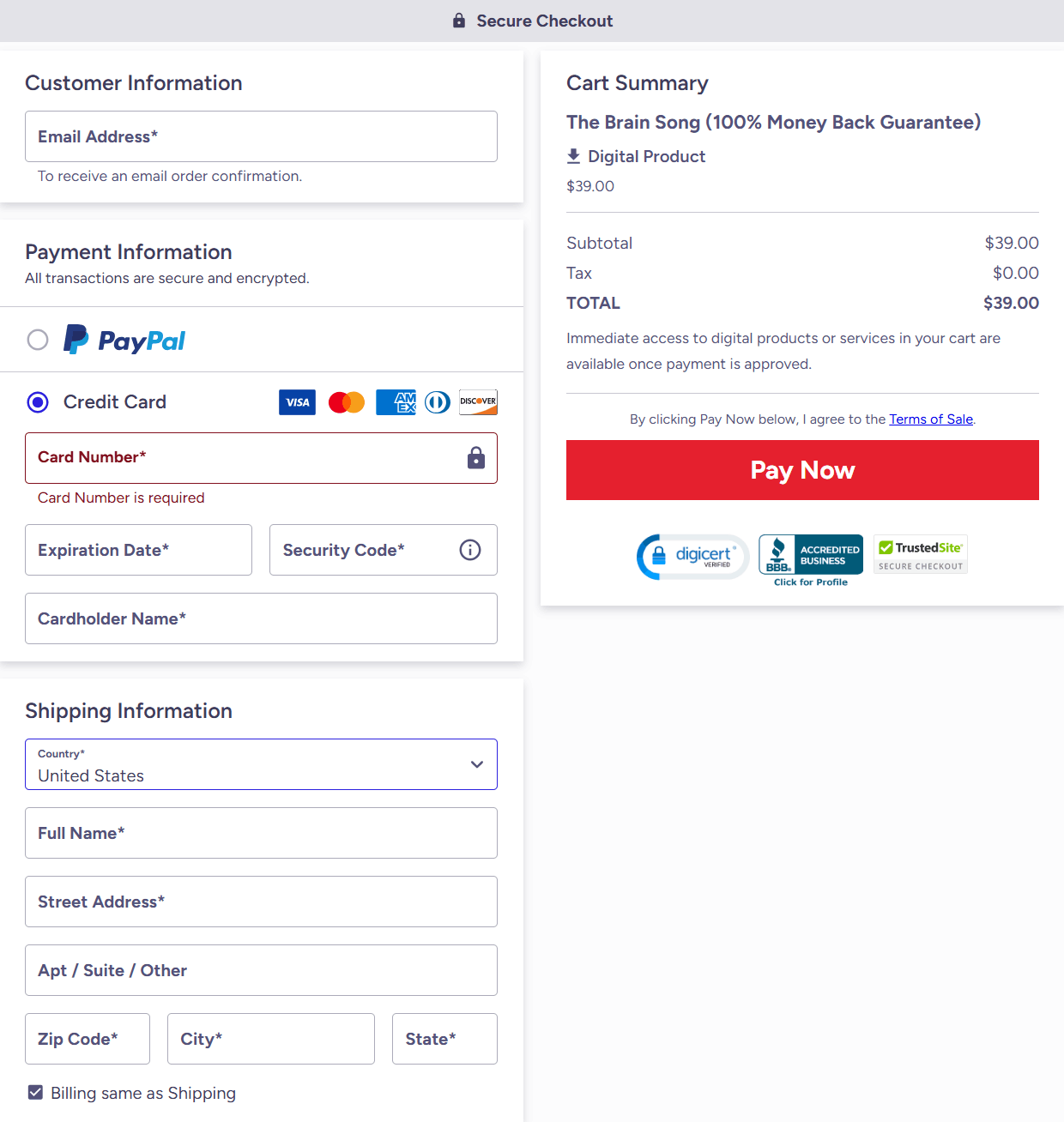
The process is straightforward. First, click the Buy Now button on the official sales page. You will be taken to the secure checkout page, where you can enter the required payment and contact information. Once your purchase has been successfully completed, the program is delivered digitally so you can access the audio without waiting for a physical delivery..

"What happens after I click the " Buy Now" Button?"

Once you have clicked the "Buy Now" button that is right below this text, you will be taken to the secure checkout page. Just enter your information, and you will then be given instant access to the entire The Brain Song

The Brain Song Checkout Page

How Safe Is My Credit Card Information on Your Website?

Your online privacy is one thing you can be sure we so much prioritize here and thus do not worry about losing any sensitive credentials while making your purchase of The Brain Song from us. Besides, You can count on Clickbank's excellent reputation and vast experience in online transactions to help protect your purchases.

Remarks

According to the team of experts who created The Brain Song , the manufacturers have come up with an amazing refund policy. So, as you buy any of the above-mentioned packages, you will be provided with a great 60-day 100% money-back guarantee.

If in any case this Product does not work for you or if you’re unsatisfied with the effects of the formula for any reason, then you are entitled to a complete refund with no questions asked.

Email : Affiliates@BinauralTechnologies.com

Don't Wait Any Longer! Join Your Discounted Program Now!

The Brain Song Buy Now


Regular Price: $197

Today Just For : $39

© Copyright 2026 Mobirise. All Rights Reserved.

‌

AI Website Creator